French Alpine Chalet Style: Build the Look in Layers
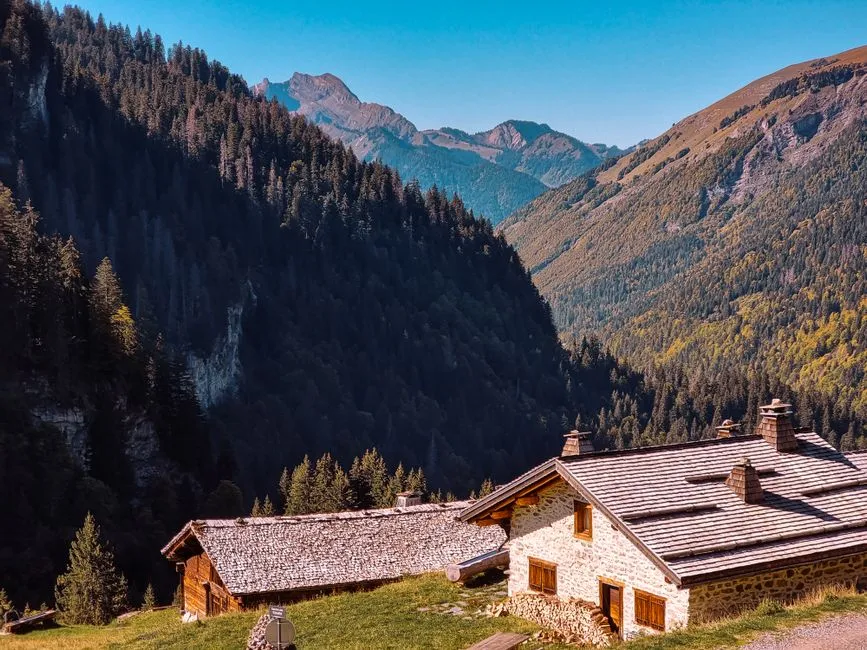
- Build chalet character from material, warmth, and restraint
- What makes the look French Alpine rather than generically rustic
- Read the existing room first
- Choose one timber direction
- Use stone as an anchor, not a costume
- Build a controlled color palette
- Layer textiles by function
- Keep furniture compact and conversational
- Light in layers
- Edit the final layer
- Sources checked
Build chalet character from material, warmth, and restraint
French Alpine chalet style pairs robust natural-looking materials with practical warmth: timber, stone, woolly or woven texture, compact furniture, and light that feels soft rather than dim. Begin with the room’s permanent surfaces, choose a restrained palette, and add textiles and objects in layers. The goal is a comfortable mountain room, not a gift shop that lost control of its cowbells.
What makes the look French Alpine rather than generically rustic
There is no single historical “Savoyard chalet” template to copy. The Auvergne-Rhône-Alpes cultural inventory says traditional farms differed from valley to valley and describes the modern chalet as a distinct type developed at Megève by architect Henry Jacques Le Même. Its examples combine a masonry lower portion with wood above, while adapting the building to slope, view, sunlight, and efficient interior use.
That history suggests a better decorating rule than buying themed objects: let materials answer the room. Use timber and mineral surfaces in a clear relationship, keep the plan useful, and allow modern pieces that serve daily life. French Alpine character can include refinement and contemporary function; it does not require every surface to impersonate an old farm.
Read the existing room first
List what cannot easily change: ceiling height, windows, flooring, fireplace or heating equipment, built-ins, and circulation paths. A low room may need lighter finishes and fewer bulky pieces; a large open room may need grouped seating and stronger texture.
Do not cover ventilation, heaters, fire equipment, or required clearances for the sake of a photograph. Structural, electrical, chimney, and fuel-burning work belongs with qualified professionals and current local rules.
Browse chalet style for more room-by-room planning.
Choose one timber direction
Wood can appear in floors, wall boards, beams, furniture, and accessories. It does not all need to match, but it should look related. Pick one dominant temperature—warm honey, pale neutral, smoked brown, or another direction—then allow smaller variations around it.
When existing wood is already visually strong, add quieter painted or plaster-like surfaces rather than another competing grain. Test finishes on the actual material and view them in daylight and evening light. Product appearance varies, and old timber may accept stain unevenly.
Use stone as an anchor, not a costume
Stone or a convincing mineral surface can ground a hearth, floor zone, counter, or small wall section. Consider weight, substrate, moisture, cleaning, and slip resistance before choosing material. Decorative imitation should be described honestly rather than sold to yourself as ancient masonry by Tuesday.
Heavy cladding, fireplace surrounds, and structural alterations require professional assessment. A qualified assessment must determine whether the structure can carry the load.
Build a controlled color palette
Start with three roles:
| Role | Possible direction | Job in the room |
|---|---|---|
| Base | warm white, mineral grey, muted timber | keeps large surfaces calm |
| Grounding tone | charcoal, bark brown, deep green | gives furniture and details weight |
| Accent | rust, ochre, alpine blue, muted red | adds identity in small doses |
These are design options, not historically mandatory colors. Test samples beside the room’s wood, stone, and evening lamps. Mountain daylight can be bright, while artificial light may shift the same paint warmer or cooler.
Layer textiles by function
Use rugs where they are suitable and safely secured, curtains that manage privacy and glare, cushions that support actual sitting, and throws that can be cleaned. Mix a few scales: one broad weave, one smaller pattern, and one quieter solid often provide enough variation.
Check fiber labels, allergy needs, cleaning requirements, fire-safety suitability, and pet or child use. Secure every loose rug edge so it does not create a trip hazard.
Keep furniture compact and conversational
Measure circulation before buying. Chalet rooms often need storage, dining, coats, and social seating to coexist. Arrange seats around conversation and a view or hearth without blocking doors, windows used for escape, or heat sources.
Choose a few substantial pieces rather than many small “rustic” objects. Benches with storage, a solid table, and a well-scaled sofa can carry more character than twelve decorative ladders asking what their job is.
Light in layers
Combine general light for movement, focused light for reading or food preparation, and lower accent light for atmosphere. Use fixtures and bulbs compatible with the electrical system and enclosed shades. Electrical changes require a qualified electrician.
Reflect light from pale walls or ceilings when possible, and place lamps where cables do not cross walking routes. Firelight and candles require active supervision and safe clearances; battery lighting can offer atmosphere without an open flame.
Edit the final layer
Add objects tied to place, craft, travel, or use: pottery, baskets, books, framed maps, or simple landscape art. Avoid claiming a reproduction is an antique or assigning a folk history you cannot verify.
The companion guide to comparing Alpine chalet locations applies the same principle to travel: look beyond the surface and ask how the place works.
Photograph the room, then remove whatever first draws attention for no useful reason. Chalet style feels convincing when materials, warmth, and daily life agree. It does not need to shout “mountain” from every cushion.
Sources checked
- Auvergne-Rhône-Alpes Cultural Heritage Inventory — Houses Called Chalets — used for the modern-chalet history, valley-to-valley variation in Savoyard farms, masonry-and-wood relationship, and site/view/sunlight principles.
- Auvergne-Rhône-Alpes Cultural Heritage Inventory — House Called Chalet — used for the 1926–1927 Megève example combining a contemporary interior with an envelope derived from local farms.